What happens after burnout – and how to find your way back
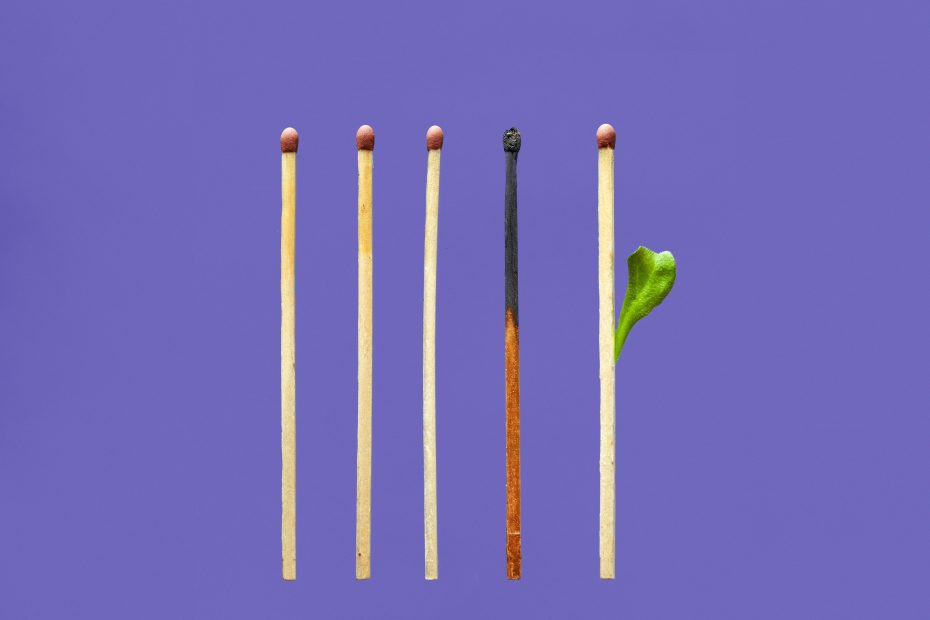
I’ve written before about burnout – what it is, how to recognise it, and how to protect yourself from it. But there’s a gap in the conversation that I’ve been wanting to address: what happens during burnout? And what does burnout recovery actually look like?
Most advice focuses on prevention. That’s important, but it doesn’t help much when you’re already in the thick of it – exhausted, depleted, wondering if you’ll ever feel like yourself again. And what if you’re tired of being burned out and want to find a way out?
Instead of talking about burnout prevention, I’m going to speak – from experience – on what burnout feels like, explain how to recover from it, and share some helpful resources.
This post is for anyone who is burned out, and for anyone supporting someone else.

The reality of burnout
Burnout isn’t just being tired. It’s not a short-term feeling. It’s a profound exhaustion that rest alone doesn’t seem to fix. It’s the feeling of being empty, dry, or having nothing left to give (emotionally, mentally, sometimes physically).
It feels cold, dull (and permanent). I know, because I’ve been there. I found myself in the throes of a full-time community job, living through a pandemic, running community events, supporting friends and family – and losing my energy.
I kept on going – working harder, working smarter, increasing my evening rest time. But nothing changed. In fact, as burnout took hold, my mental and physical health suffered.
For community professionals, burnout often creeps in gradually. We absorb other people’s struggles. We moderate difficult content. We hold space for vulnerability whilst managing our own emotional responses. The work is meaningful, which makes it harder to step back – and easier to ignore the warning signs.
Burnout can feel like:
- Dreading work you used to love
- Feeling detached or cynical about your community
- Physical symptoms (insomnia, headaches, getting ill more often)
- Struggling to concentrate or make decisions
- Feeling like a failure despite working harder than ever
- Losing your sense of self outside of work
If this sounds familiar, please know: it’s not a personal failing. Burnout doesn’t mean you’re weak – it’s a sign that you’ve been strong for too long without effective support or rest.
In fact, burnout is what happens when demands on your energy consistently outstrip the resources you have. It’s a systemic problem, even when it feels deeply personal.
Living with burnout
Sometimes you can’t immediately step away from the situation causing burnout. Bills need paying. Responsibilities don’t disappear. Recovery isn’t always a clean break.
If you’re managing burnout whilst still in it, some things that can help:
- Reduce where you can. Not everything, but something. What’s the minimum you can do right now?
- Protect your non-work time fiercely. Even small pockets of genuine rest matter.
- Tell someone. A manager, a friend, a GP. Carrying this alone makes it heavier.
- Lower your standards temporarily. Good enough is good enough for now.
But also – and I say this gently – pay attention to whether you’re in a situation that’s making you unwell. You may find yourself in a role where support isn’t there, you feel like you’re managing your challenges alone, or you’re in a toxic organisation. This could be the cause of your burnout.
Habitual burnout, where you recover just enough to burn out again, is common in community management. It’s usually a sign that something structural needs to change in your role, team or organisation. Sometimes the capacity of the role is the problem, and adjustments can be made. Sometimes the only way out is leaving.
If you’re experiencing serious symptoms – prolonged depression, anxiety, physical health problems – please seek medical support. Burnout can be a gateway to more serious conditions, and there’s no shame in needing professional help.
(And listen to your doctor when you visit them. I didn’t take on board the recommendations they offered, and it made things worse.)
Recovering from burnout
When I finally stepped away from the situation that burned me out, I wasn’t sure what the recovery was going to be like. It wasn’t straightforward, because burnout is complex.
What I’ve learned – from my own experience and from others – is that burnout recovery tends to happen in stages. This will vary for everyone, but I noticed recognisable patterns that might help you understand where you are on your burnout recovery journey.
The timeline can vary from weeks, months, or even longer. The longer you’ve experienced burnout, the more time it may take to recover. Be patient with yourself. (It took me a couple of months to see small signs of change and two years to feel much better!)
I noticed five stages in my burnout recovery, and mapped these stages to the five Rs – rebounding, resting, reflecting, restoring, and rebuilding.

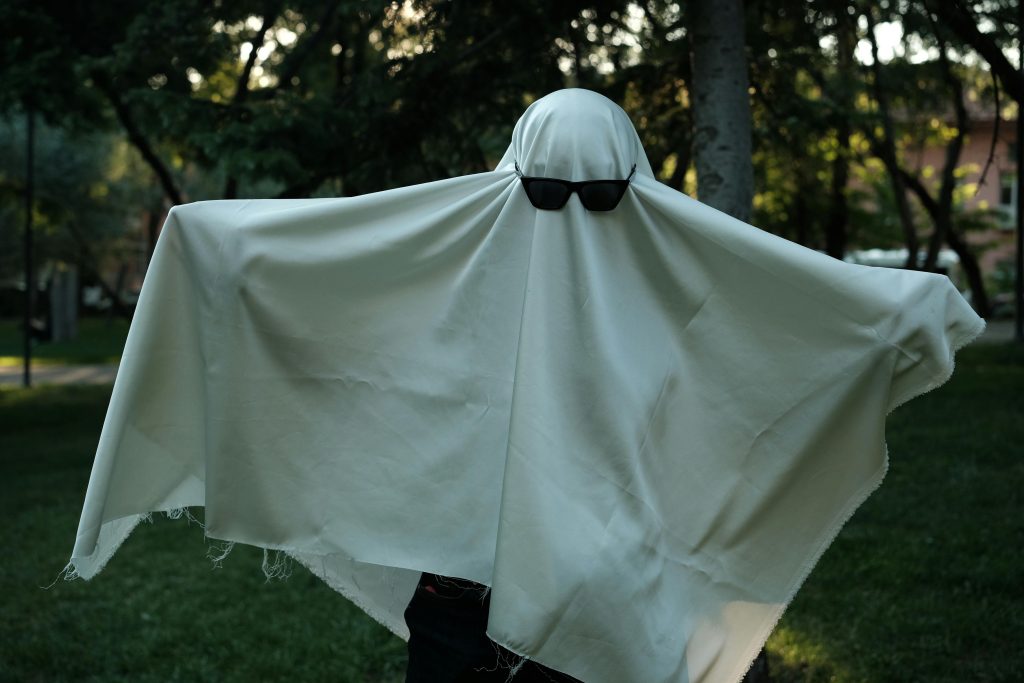
1. Rebounding (the phantom recovery)
The first stage often looks like recovery – but it’s deceiving.
You feel the relief of stepping away. You feel a bit better, so you immediately redirect your energy somewhere else. A new project. Learning something new. Throwing yourself into a different kind of productivity.
Psychoanalyst and writer Josh Cohen describes burnout as a ‘double bind’: a feeling of exhaustion accompanied by a nervy compulsion to go on regardless. This is exactly what happens in the rebounding stage. Your frazzled nervous system hasn’t actually healed – you’ve just found a new way to stay busy. It feels good temporarily, but it’s not sustainable.
I did this. I suspect most of us do. It’s hard to just stop.
2. Resting (the physical recovery)
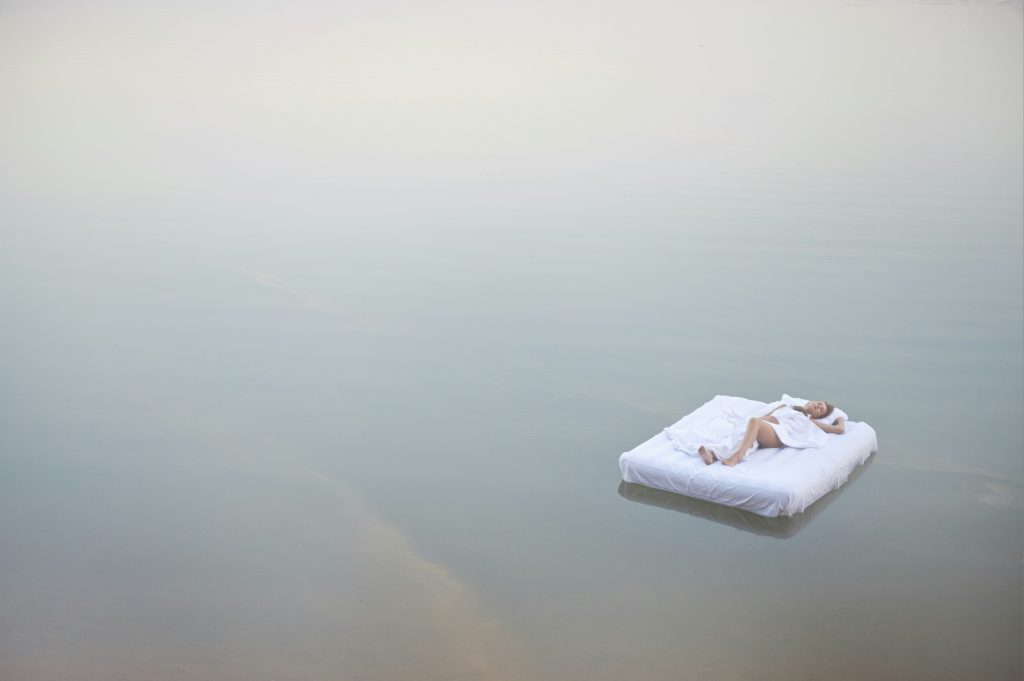
True rest means actually stepping away. Not just from work, but from the pressure to learn, achieve, and be productive. Stepping away from social media, or the busy to-do list.
This stage can feel deeply uncomfortable if you’re used to being ‘busy’. You might feel guilty, restless, even worthless. That discomfort is actually part of the healing process.
Cohen writes that burnout is ‘the body and mind crying out for an essential human need: a space free from the incessant demands and expectations of the world.’ Recovery begins, he says, in finding your own ‘pool of tranquility where you can cool off.’
Rest isn’t laziness. It’s what your body and mind need to repair.
3. Reflecting (the psychological recovery)
Once you’ve rested – for a good amount of time – you can start to process what happened.
- Why did you burn out?
- What were the conditions that led here?
- What do you want to be different in the future?
This stage is guided by acceptance and self-compassion. Not blame. Not regret. Just honest reflection on what you’ve been through and what you’ve learned.
You might explore new ideas about how you want to live and work. You might grieve the version of yourself who could do it all. Both are valid.
(On a personal note, I left a busy community manager job and turned down a brilliant job offer. On reflection, I realised that I had to say no because I was still recovering from burnout and wasn’t ready for full-time work. It actually took several months to build back to full days at my desk.)

4. Restoring (the phased recovery)
Gradually, your energy returns. Not all at once, but in small increments. This is the time to think carefully about what a balanced daily life looks like for you.
- What deserves your time and energy?
- What doesn’t?
- What boundaries do you need to protect your restored capacity?
The temptation is to rush back to full capacity. Resist it. Phase back in gently – half days, extra rest, small goals, digital detox. Your nervous system is still learning to trust that it’s safe, and adjusting to a new normal.
If we cram more in, we’ll overload ourselves and loop back to burnout stage before the recovery has completed, and go back to square one.
5. Rebuilding (the practical recovery)
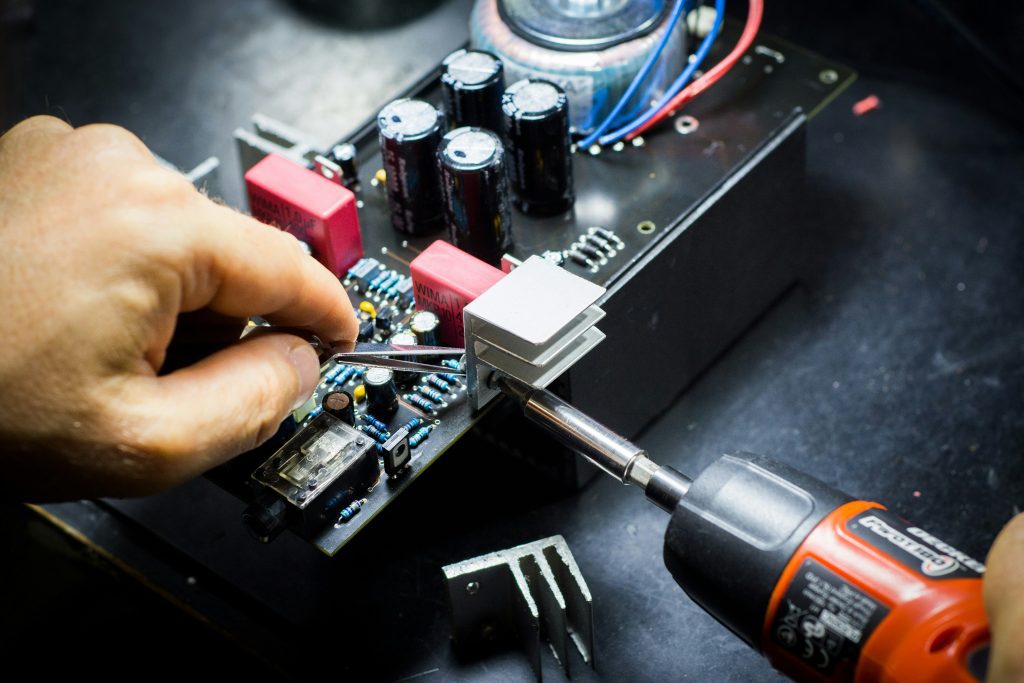
Finally, you start to rebuild a new normal. A more manageable routine. Better work-life balance. Perhaps a new role, or a different relationship with your existing one.
This stage is about practical changes: what you do, how you structure your days, what you say yes and no to. It’s about habit, routine, and new norms.
It’s also about identity. You might need to break up with your previous sense of self, i.e. who you think you are.
You’re no longer the one who could work 60 hours a week, who was always available, and who derived worth from being indispensable. Cohen argues that we think of ourselves ‘so narrowly as creatures of action and purpose’ that we’ve lost touch with simply being.
Rebuilding means making space for who you are, not just what you do.
(This is something I’ve struggled with a long time as a community professional. Wellbeing is left off our discussion agendas, pushed to the lunchtime breakout sessions, and not a part of our discourse as a profession. No wonder we’re so prone to burnout…)
What I wish I’d known
A few things I’ve learned about burnout recovery along the way:
- Recovery takes longer than you expect. Months, not weeks. Be patient with yourself. Your burnout recovery journey is unique to you.
- You don’t need to be useful to be valuable. Learn how to appreciate who you are outside of your responsibilities and achievements.
- Don’t replace one set of demands with another. The goal is rest, even when it feels alien or you feel guilty. Create space to recover.
- Unfollow and mute what pulls you back. Create distance from things that pressurise you to be ‘busy’ (and mute anything that triggers unhelpful feelings, including former employers, colleagues, or industry Slack spaces)
- Boundaries aren’t optional anymore. Learn what deserves your energy. Get comfortable saying no. Learn how to set and maintain good boundaries.
A note on privilege: I’m aware that taking time off, scaling back, or leaving a harmful role isn’t possible for everyone. Financial pressures, caring responsibilities, visa constraints – burnout recovery looks different depending on your circumstances. If you can’t step away completely, that doesn’t mean you can’t recover. It might just be slower, involve more support from others, or require more creativity about where you find rest.
Looking ahead
If you’re in burnout right now, I want you to know: there is hope. Burnout recovery is possible. You can regain your energy. You can feel like yourself again – or perhaps a wiser, more ‘boundaried’ version of yourself who is more comfortable with saying no.
And now that you know what burnout can feel like, you’ll recognise the signs earlier, and know the steps you can take to find your way back. This can help you to protect yourself, or identify the potential signs to help someone else.
Burnout taught me things I couldn’t have learned any other way. I wouldn’t wish it on anyone, but I’ve learned valuable lessons from the experience. It changed how I work, how I set boundaries, and how I think about safety and sustainability in online community roles.
After studying burnout and wellbeing, I now speak about the topic and incorporate it into my training offer. My aim is to help community professionals and teams build sustainable practices before they reach breaking point.
If you’d like to explore support or training for you or your team, get in touch.
Take care of yourself,
Serena
Further reading
I found these helpful when thinking about burnout and recovery:
- Josh Cohen, psychoanalyst and author of Not Working: Why We Have to Stop — his writing on the value of doing nothing and the harm of burnout has been so validating for me. His article in The Guardian: Back to work blues? What we can learn from slackers
- The practice of meditation and mindfulness helps. Calm: How to recover from burnout (I personally find this a helpful way of noticing my thoughts)
- ‘Touch grass’ is the modern way of saying get outdoors. If you’re craving the sounds of nature at your desk or on a public transit commute, try Radio Lento
You might also find my earlier post helpful: The truth about burnout and community
What a thoughtful, practical, and helpful read – thank you.
Thanks for reading it, Nicola! So pleased that you found it to be thoughtful and helpful. I wanted to share something that was real, but not just navel-gazing. Glad it helped.
Couldn’t relate to your words more. It’s so refreshing to read a genuine, helpful blog full of relevant information. Thank you so much for this, I have suffered burnout for years and I am so guilty if hopping straight back in early or busying myself which takes me straight back to burnout town. I am now going to try learning to appreciate who I am without being useful or productive. Thank you Serena!